Professional training in vacuum therapy
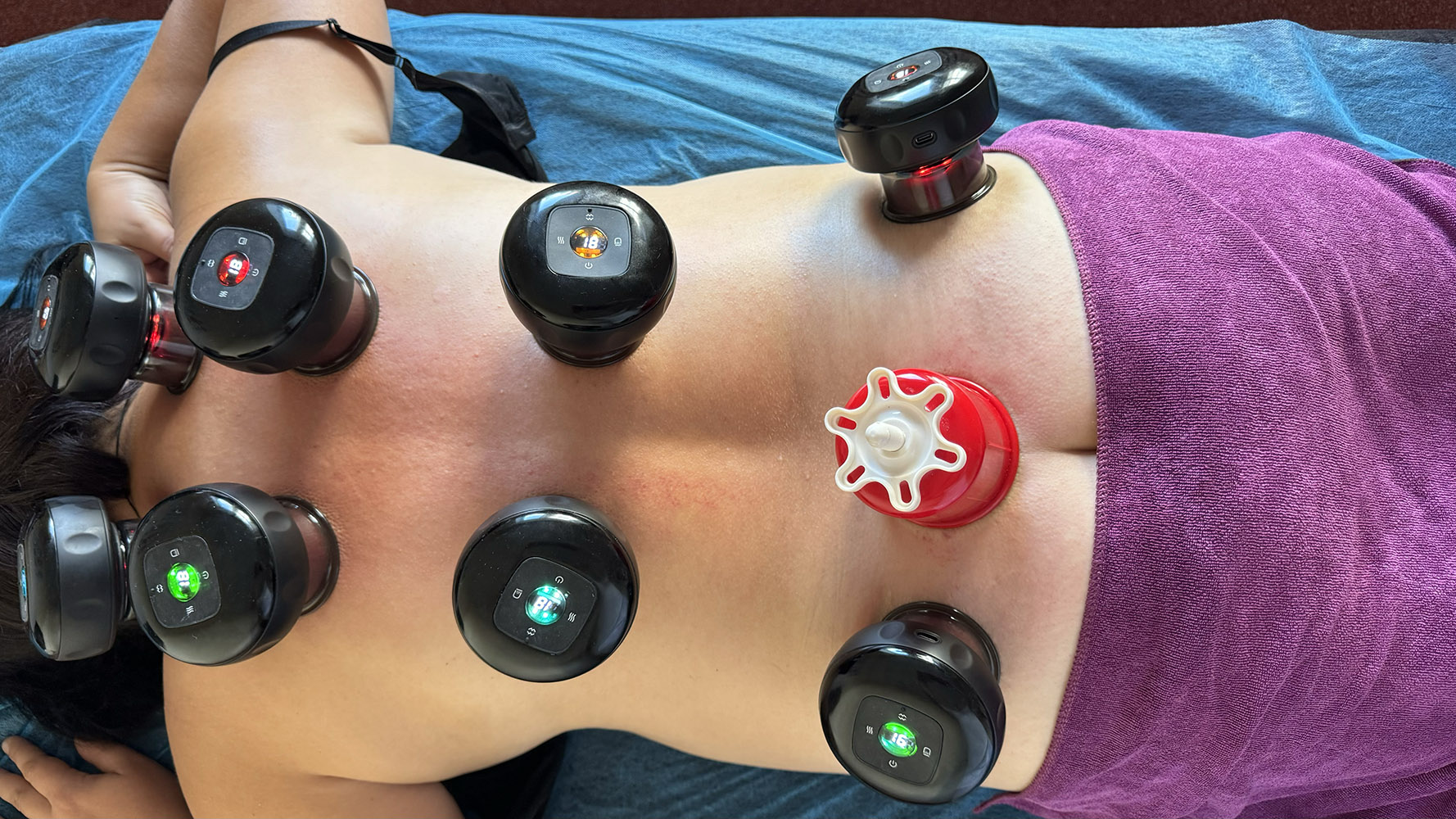
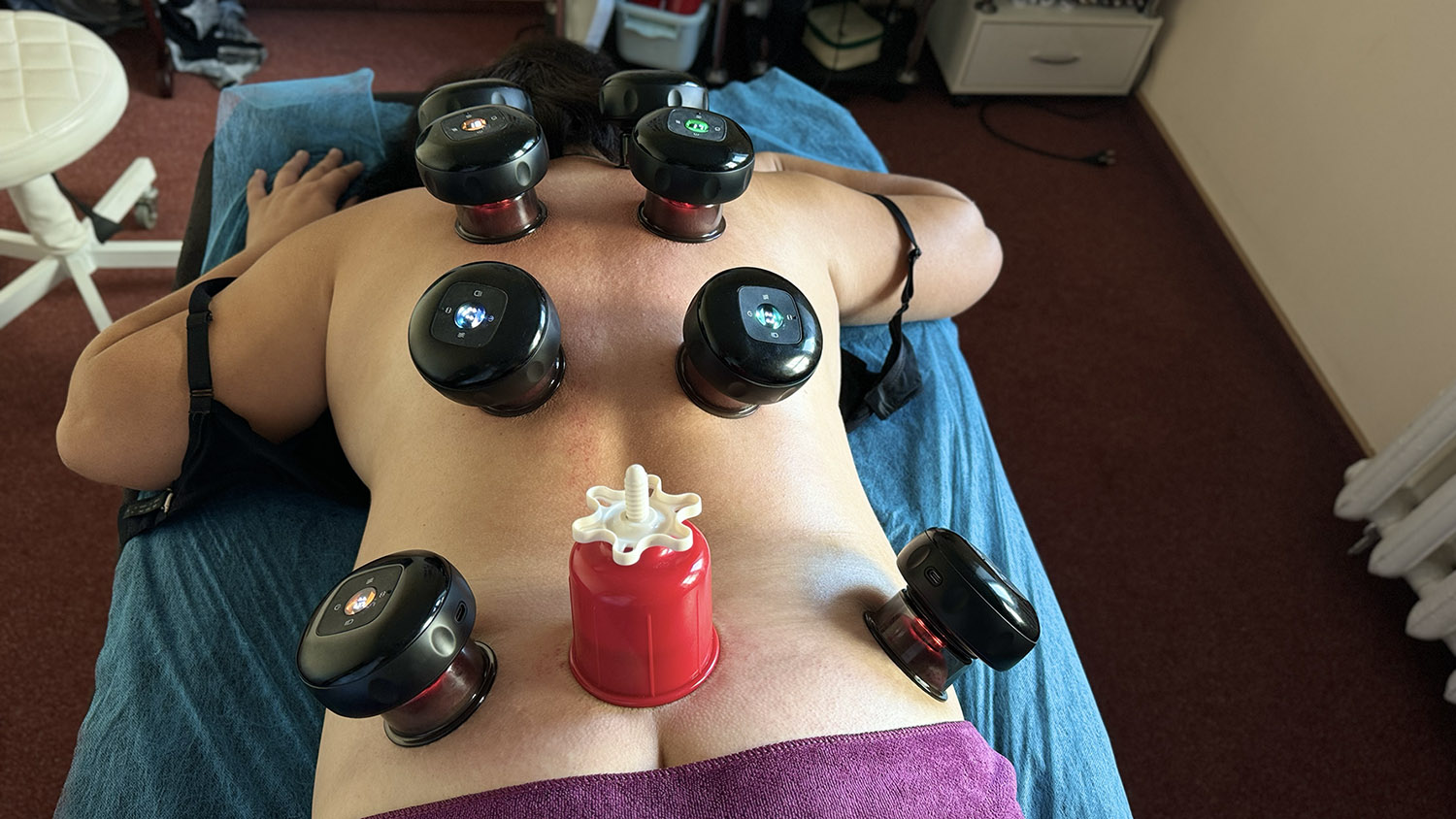
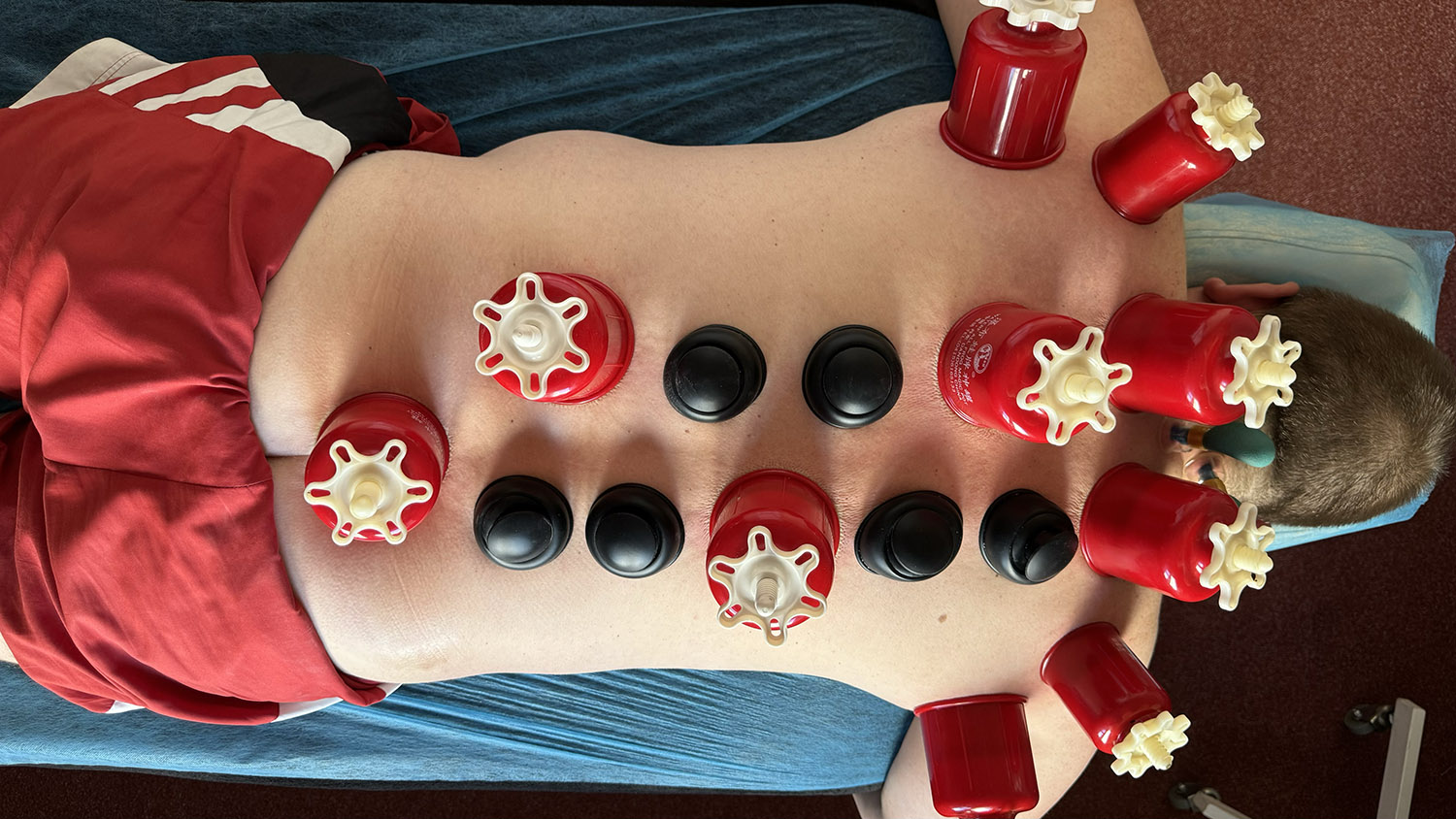

Techniques and Application
Vacuum therapy training is intended for specialists in the fields of medicine, physiotherapy and rehabilitation.
These may be:
◾ Healthcare workers, doctors, rehabilitation specialists, nurses, physiotherapists, osteopaths and massage therapists who want to master new treatment methods.
◾ Rehabilitation specialists – people working with patients after injuries, operations or with chronic diseases in need of recovery.
◾ Fitness instructors and trainers – for those who want to offer clients additional services for recovery and improvement of physical condition.
Training program:
◾ Program goal: Acquiring theoretical knowledge and practical skills of vacuum therapy, understanding the principles of working with vacuum for medical and cosmetic purposes.
◾ Introduction;
◾ Physiological effects of vacuum:
- Mechanisms of vacuum effect on the body.
- Effect of vacuum on the circulatory, lymphatic and nervous systems.
- Acceleration of tissue regeneration, improvement of blood circulation.
◾ Indications for cupping-vacuum massage;
◾ Main goals of cupping-vacuum massage;
◾ Main contraindications for cupping-vacuum massage;
◾ Technical aspects of vacuum therapy;
◾ Types of vacuum devices and cans:
- Manual cans: glass, rubber, silicone.
- Hardware systems with IR for vacuum therapy.
- Portable and stationary devices for vacuum therapy.
◾ Preparing the patient for the procedure:
- Assessing the patient's condition and choosing a technique.
- Warming up the tissues before vacuum therapy (if necessary).
- Using oils and creams to facilitate sliding.
◾ Practical part: Technique for performing vacuum therapy.
◾ Technique for working with vacuum:
- Static method: placing cans on specific areas.
- Dynamic method: moving cans over the skin surface for lymphatic drainage and improving microcirculation.
◾ Using vacuum therapy on different areas of the body:
- Back: relieving muscle tension and improving blood circulation.
- Legs, arms, neck, stomach - improving lymph flow.
◾ Student practice:
- Practicing techniques on models under the guidance of an instructor.
◾ Safety and hygiene.
◾ Sanitary standards:
- Hygiene during vacuum therapy procedures.
- Processing and disinfection of vacuum devices and cans.
- Features of working with sensitive areas of the body.
◾ Certification:
- Obtaining a certificate of completion of a vacuum therapy course.
After completing this course, students will learn how to use vacuum therapy methods for medical purposes, providing patients with high-quality procedures in compliance with all necessary safety standards.
Duration of the course:
6 academic hours.
Group cost: 5,500 UAH.
Individual training: 8,500 UAH.